Size
(when grown) Small 25 lbs (11 kg) or less
Details
Good with kids,
Good with dogs,
Good with cats,
House-trained,
Spayed or Neutered,
Shots are up-to-date,
Story
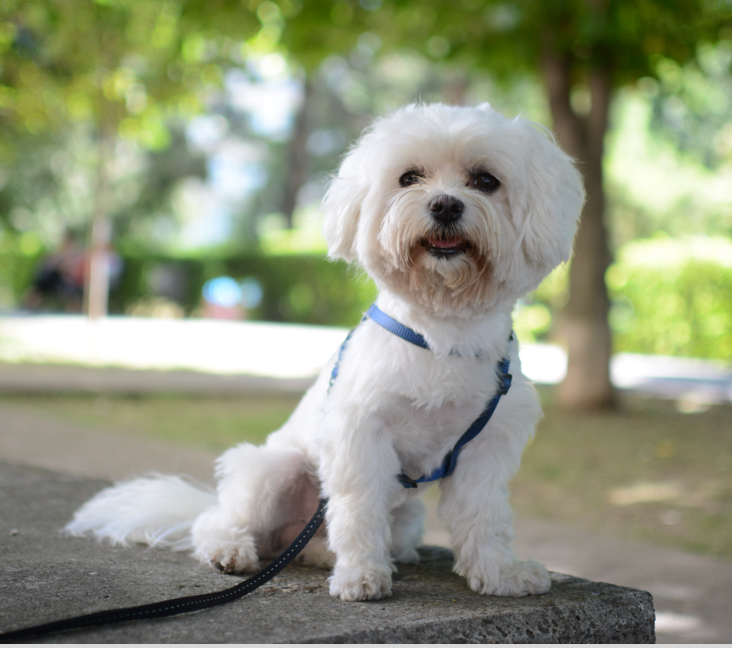
Alvin - 2 years, 11lbs, Yorkie Mix, Neutered
This dog is eligible to join our foster-to-adopt program. Please email fostertoadopt@socialteesnyc.org with the animal’s name in the subject line if you are interested! Want to straight up adopt? Submit an adoption application at socialteesnyc.org
Their Foster Parent Says: "Alvin is a sweet, smiley little guy who takes a while to warm up but is worth every bit of patience! Nervous around people, he likes to have a safe space of his own at first, like a crate where he can go when he is feeling overwhelmed. Give him a couple of weeks and he won't even bother with the crate anymore but would rather curl up next to you! Streets with a lot of foot traffic stress him out, since he doesn't like strangers getting too close to him, but he grows more confident every day. Alvin's puppy side shows once he breaks out of his shell - he loves playing tug and wrestling with his foster brother (a male dog of a similar size) and enjoys some self-play time with chew toys. He is an overall chill pup, who just wants to feel safe before showing his whole loving personality!"
Level of dog ownership experience required:BEGINNER – “Beginner” doesn’t necessarily mean easy as all dogs will require time, work, and patience, but we predict this dog will be low on the challenge scale because of their breed/age combo. Potentially a good fit for someone who has relevant dog care experience (fostering, dog sitting) and is looking to adopt their first pup.
Energy level:MEDIUM – Needs a daily 60 minute walk or window of quick paced exercise (minimum) in addition to potty break strolls (10-30 min each). Also needs significant socializing opportunities outside the home and mental stimulation at home like tricks training practice, chew items, and puzzle toys. (This is regardless of dog size – many small breeds were designed for lots of activity and will exhibit unwanted behavior when they’re understimulated.)
TOLERANCE TO CITYAdjusting to the city – Spooked easily by loud noises and bustling areas but walks pretty well in quiet areas and probably just needs more time to adjust (may be a puppy or a brand new rescue). Would prefer a home in a calmer part of the city or the suburbs. - additional context: more scared of people than the noises and cars/bikes. If someone is walking behind us, he will stop and look back at them often, so he likes to keep an eye on those around him. He has gotten much more confident on familiar streets but still sometimes gets spooked by people walking by.POTTY TRAININGYes – Few or no accidentsCOMFORT LEVEL WITH STRANGERSWallflower – Very shy with new people and takes a while to warm up. Afraid when unfamiliar people try to say hi on the street, hides or shrinks back when new people visit the home. BEHAVIOR WITH CHILDREN (always requires adult supervision)Not Sure - Has not been around children yetSOCIAL BEHAVIOR WITH OTHER DOGSYes – Good with most other dogs (sizes, breeds, etc.) as far as we know and enjoys socializing with other canines - additional context: he will follow my dog around, especially when I am not home, but doesn't show an interest in playing or in meeting other dogs on walks (even those my dog knows and will say hi to). He is still just a little hesitant overall, so could be that he will get more playful with time.RESPECTFUL BEHAVIOR WITH OTHER ANIMALS (cats, small pets, etc.)Not sure – Wants to chase squirrels and birds so may not be a good match for a home with cats, rabbits, etc. - additional context: he doesn't necessarily chase squirrels but will stare at them from afar and stop walking. I haven't seen him with other small animals, so can't say yes or now here.MOUTHY BEHAVIORPast this stage– Little to no interest in chewing on stuff or putting things in their mouth that aren’t food. Doesn’t try to chew on hands, feet, etc. during playtimeSEPARATION ANXIETY (Please leave your foster dog home alone every day for at least 20 minutes.)Past this stage – Completely fine being left home alone. Doesn’t cry or exhibit destructive behavior when you leave the apartment or house. LEASH MANNERSOld Pro – Doesn’t pull hard or need much direction.
CUDDLE BUG LEVELLower – Independent, mostly keeps to themself (may be a new rescue or shy, this could change)
JUMPING ON PEOPLE TO SAY HELLOCalm Greetings – Doesn’t jump up on people or dogs. Always all four on the floor. CRATE TRAININGYep/mostly – Seems comfortable in the crate, may whine a little at first but settles pretty quickly. We use the crate when we leave the pup alone and/or at night. - additional context: I haven't closed the crate door, but it is his safe space where he likes to spend a lot of his time. I didn't need to encourage him to go in the first time, he made it his place right away. I imagine that if I closed it, he would be comfortable.
Medical status:Healthy as far as we know. Up to date on their DHPP, Bordetella, and Rabies vaccines; heartworm tested if coming from Tennessee or Puerto Rico; spayed/neutered; microchipped; treated with dewormer upon intake
How did this dog end up with Social Tees?Most of our dogs come via partner groups who help us save them from shelters where they are at risk of euthanasia in Tennessee, Los Angeles, and Puerto Rico. There are very few spay/neuter resources there and many more animals in those areas than there are people to adopt them. Rescue groups like ours bring them to the northeast where the desire for pets like these allows us to save their lives.
PLEASE NOTE: We cannot guarantee any breed mix, exact age, or full grown size (if the dog is under a year old). We do our best with very educated guesses.
This animal is not at the Social Tees office, all are in foster homes.
LEARN MORE ABOUT US: socialteesnyc.org and Instagram @socialteesnyc
##2690535##